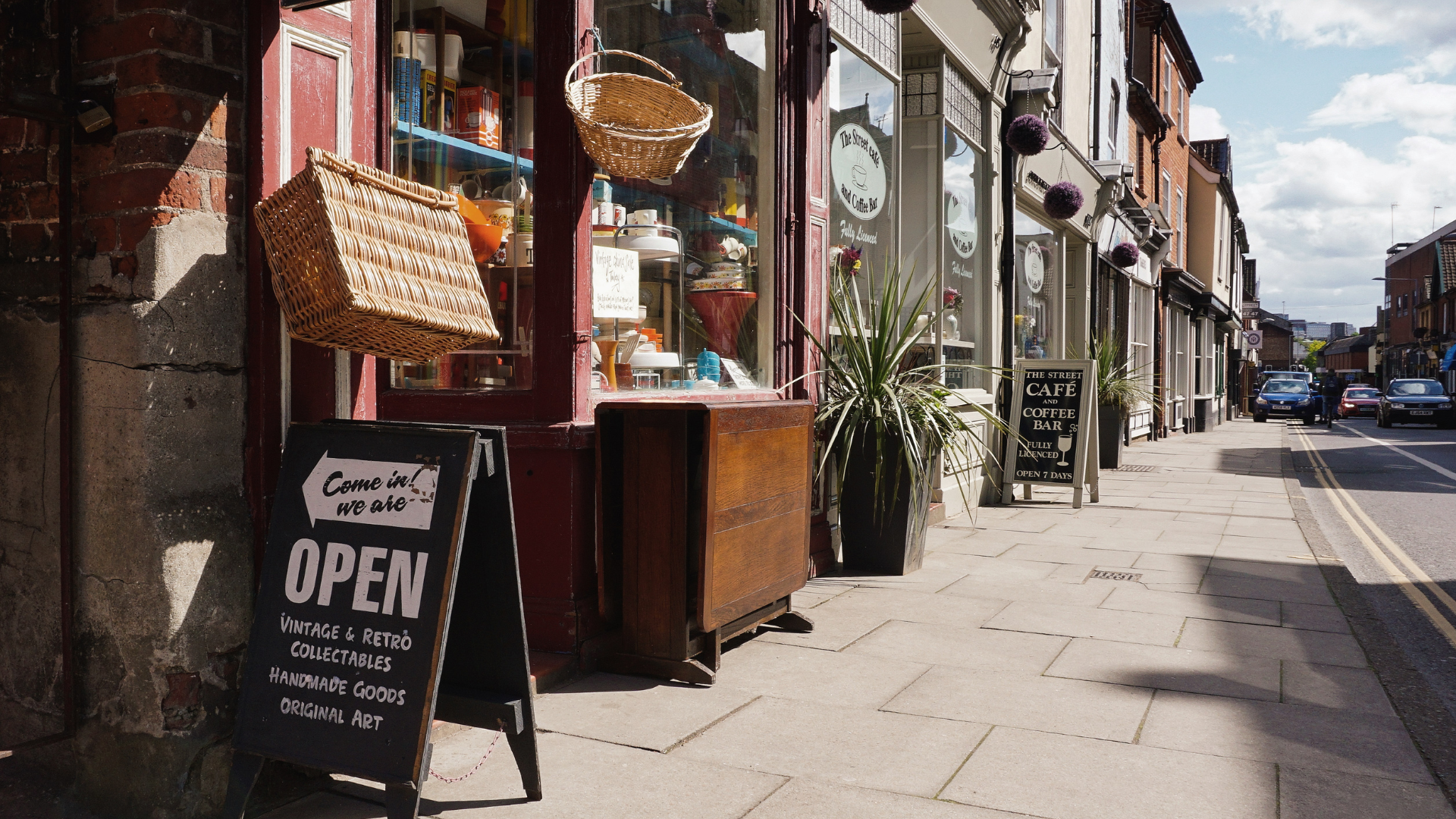

If you’re reviewing restaurants to rent in London, understanding where the strongest pedestrian traffic exists, and how that footfall behaves, will help you make a more commercially sound decision.
This guide explores the high footfall restaurant locations London operators prioritise, how demand varies across zones and neighbourhoods, and how to balance traffic levels with rent and competition.
Why Footfall Is Critical When Choosing a Restaurant Location
Footfall refers to the number of people passing a specific location within a given timeframe. For restaurants, it influences:
- Walk-in trade
- Brand visibility
- Lunch and impulse purchases
- Speed of early growth
- Investor confidence
However, not all footfall is equal.
There is a meaningful difference between:
- Tourist footfall
- Office worker footfall
- Residential footfall
- Event-driven footfall
The most successful operators don’t just chase the busiest street, they align their concept with the right type of traffic.
When analysing London restaurant footfall zones, consider not only how many people pass, but who they are and when they move.
Central London High-Footfall Areas for Restaurants
Central London remains home to the most consistently busy restaurant locations in the UK.
Key high-footfall areas include:
- Soho
- Covent Garden
- Oxford Street
- Leicester Square
- The Strand
These areas attract:
- Tourists year-round
- Theatre and nightlife crowds
- Office workers (weekday peaks)
- International visitors
They are widely regarded as some of the best footfall areas for restaurants London offers.
Advantages
- Extremely high daily volume
- Strong evening economy
- Global brand exposure
Considerations
- Premium rent levels
- High competition density
- Seasonal tourism fluctuations
For fast-casual, international brands and high-volume concepts, these busy restaurant locations London can justify the higher overhead.
Transport Hubs and Tourist Zones with Consistent Demand
Transport hubs create predictable and repeatable footfall patterns.
Key transport-led zones:
- London Bridge
- King’s Cross
- Waterloo
- Paddington
These areas combine commuter, business and tourist traffic, making them some of the strongest high footfall areas London restaurants operate within.
Why transport hubs perform well
- Morning and evening commuter peaks
- Lunchtime office demand
- Weekend tourist traffic
- Ongoing regeneration projects
Similarly, tourist zones such as Borough Market and South Bank deliver consistent pedestrian density throughout the year.
However, rent and service charges in these areas often reflect the volume advantage.
High-Footfall Areas Outside Central London
While Zone 1 dominates volume, several neighbourhoods outside the core also deliver strong footfall.
Notable high-footfall areas include:
- Camden Market
- Shoreditch
- Brixton
- Westfield Shepherd’s Bush
- Clapham High Street
These locations benefit from:
- Destination dining
- Weekend peaks
- Strong residential density
- Cultural draw
They are often classed within secondary London restaurant footfall zones, but in practice can rival Central areas during peak hours.
For independent operators, these neighbourhoods can offer a compelling balance between visibility and more manageable rent levels.
Balancing Footfall with Rent and Competition
High footfall typically correlates with higher rent.
When evaluating high footfall restaurant locations London, consider:
- Rent-to-turnover ratio
- Competition within 200 metres
- Unit size relative to projected covers
- Local consumer behaviour
A street with extremely high footfall but saturated with similar cuisine may not outperform a slightly quieter street with less direct competition.
Also factor in:
- Business rates
- Staffing costs
- Service charges
- Fit-out requirements
The most commercially resilient restaurants often sit in strong, but not necessarily prime, locations, where footfall is sufficient without being prohibitively expensive.
How to Assess Footfall for a Restaurant Site
Footfall should be measured, not assumed.
Practical ways to assess include:
- Visiting at multiple times of day (weekday and weekend)
- Observing queue lengths and turnover of neighbouring units
- Reviewing local transport data
- Analysing nearby office density
- Considering residential population growth
Look for patterns:
- Does trade drop sharply after 6pm?
- Is weekend trade stronger than weekday?
- Are neighbouring restaurants thriving or rotating frequently?
Footfall must align with your concept. A breakfast-focused café needs strong morning commuter traffic. A late-night dining concept relies on evening and weekend peaks.
Raw volume alone does not guarantee success.
Conclusion
The strongest high footfall restaurant locations London offers are concentrated in Central London, key transport hubs and major destination neighbourhoods. These areas provide visibility and scale, but often at a premium.
High footfall can accelerate growth, but it must be weighed against rent, competition and operating costs. For some concepts, steady neighbourhood traffic can outperform tourist-heavy zones.
The right decision depends on your brand, budget and business model.
If you’re evaluating potential sites, explore available restaurant spaces in London and assess each opportunity not just by postcode, but by footfall type, consistency and commercial sustainability.
FAQs
What are the highest footfall areas for restaurants in London?
Soho, Covent Garden, Oxford Street, London Bridge and King’s Cross consistently rank among the busiest areas.
Do high footfall locations always mean higher rents?
In most cases, yes. Prime streets with heavy pedestrian traffic command higher commercial rents and service charges.
Are tourist areas good for long-term restaurant success?
They can be, particularly for high-volume or international concepts. However, they may experience seasonal fluctuations and intense competition.
How can footfall be measured for a restaurant location?
Through site visits at different times, reviewing transport and population data, and analysing performance of neighbouring businesses.
Can restaurants succeed in lower-footfall neighbourhoods?
Absolutely. Many neighbourhood restaurants thrive on repeat local trade and controlled rent structures rather than relying on high tourist volume.
.png)
