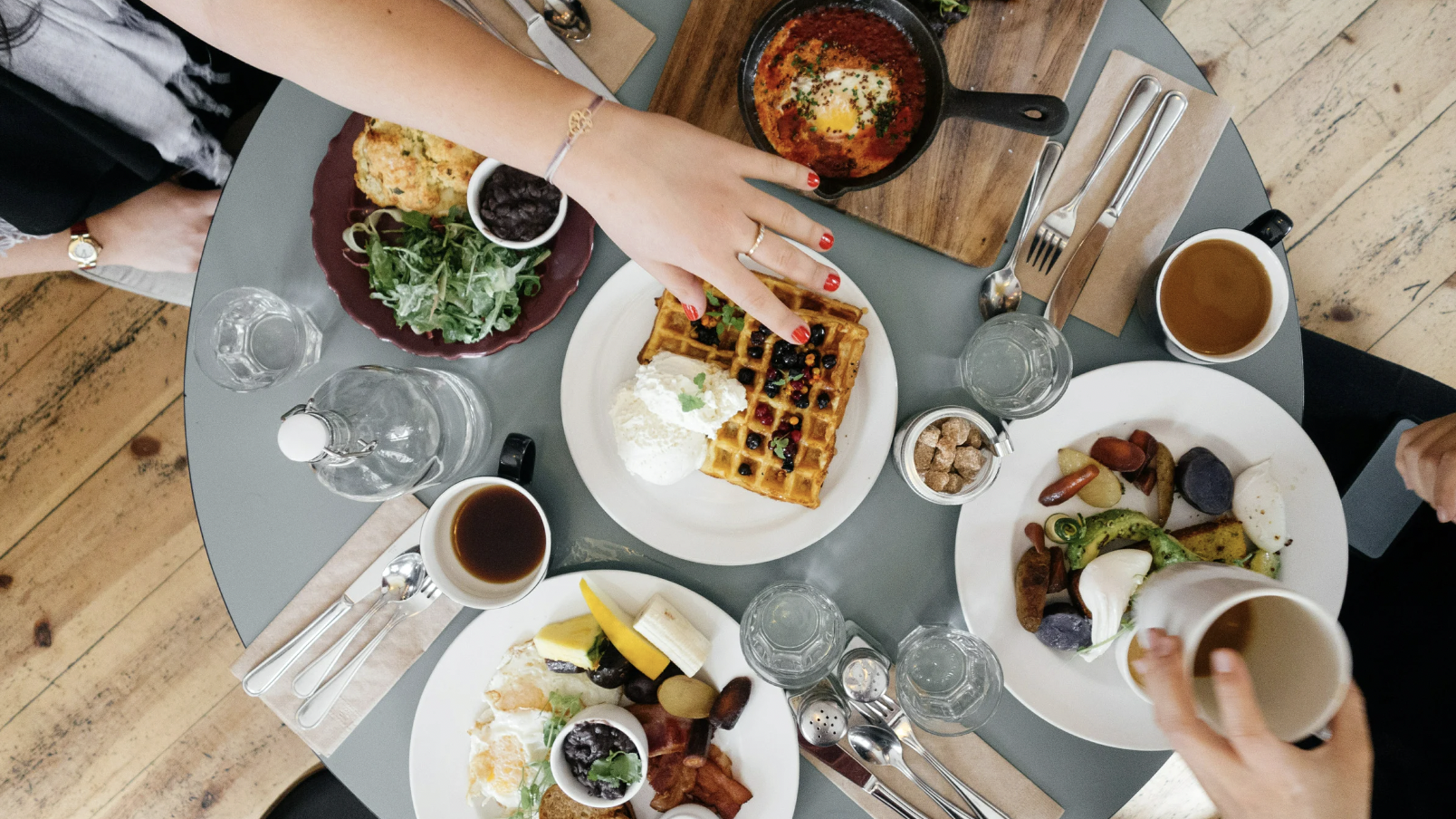

People want real food.
What does that even mean? Isn’t all food “real”? Well, yes – sort of.
In this context, real food refers to foods that are unprocessed, foods most proximate to their natural state. Foods whose nutrition labels don’t read like the periodic table. Associated with this is an increasing demand for high fibre, lean protein, and fruits and vegetables.
Michael Smoak’s HigherUpWellness podcast encapsulates the real-foods concept best: “If it grew in the ground, on a tree, or had a mom and dad, eat more of that. If it comes in a box or bag and is not one ingredient (beef, rice, eggs), eat less of that.”
And UK data analysts agree. By 2035, in fact, the UK Healthy Food market is predicted to hit roughly £45 billion – an increase of around £20 billion from just last year.
Now, this doesn’t mean that consumers have entirely phased out of tasty comfort foods (in fact, we’ll revisit this area later). These statistics are just indications of a larger cultural shift towards nutritional awareness, one that may be wise to embrace.
Flavor insights: Asia and South America on the rise
As many are now aware, we have entered a period of globalization; cultural borders in business are now blurring thanks to social media and easier-than-ever transportation. Diners aren’t complacent but adventurous – always seeking new flavors, chasing cuisine from one horizon to another.
In 2026, expect the strongest pull to come from Asia and South America, where bold, dynamic ingredients are captivating audiences. Think kimchi and yuzu from Korea; curry from Malaysia; lomo saltado from Peru. Still, understanding these emerging preferences doesn’t mean you have to jump ship. If you’re a hoagie shop, keep making hoagies! From a technical standpoint, integrating spotlight flavors will already give you a leg up.
For your ease, here is a compiled list of some specific flavors/ingredients that we at Oya have identified as Today’s Most Popular, sorted further by savory vs. sweet:
Sweet 🍭
- Mushroom
- Carmelised onion
- Seaweed
- Umami
- Cauliflower
Savory 🥘
- Caramel (salted, even better)
- Toffee
- Coconut
- Pistachio
- Mango
More on this topic? Here’s a good resource!
Simple yet sophisticated: Snacks.
Quick, easy, nostalgic. Configurable enough to appeal to a wide diversity of palettes. There’s a lot to be said about snacks, and – from a business perspective – a lot of value to access by tapping into this not-so-niche nook. Experts project an annual growth rate of 6.20% from 2025 to 2030 in the snack industry (reaching nearly 270 USD billion this past year!), so this is one trend we can visualize with some near-certainty. Healthy snacks, in particular, are capturing many consumers’ attention – a callback to our first concept. This isn’t just about health, however. It’s about flexibility. Fun. Simplicity. With hybrid work, smaller households, and cram-packed routines, mealtime is often recalibrated from three structured meals to multi-minis throughout the day.
Expectations can range from protein-packed options (i.e. chickpea puffs, jerky) to nostalgia-bombs like Pop-Tarts and Rice Krispies. Culturally inspired bites might include yuca fries or mochi ice cream sandwiches.
It’s smart business to anticipate those changes. But, in the end, it’s your choice whether to make adjustments.
Final Thoughts
Hopefully, this guide has helped you regain a sense of confidence as we near the end of the year. Keeping up with the times – furthermore, with your own competitors – can be a stressful thing, but remember: It shouldn’t come at the cost of your unique brand identity. If your menu doesn’t align with any of these trends, that’s okay! Authenticity is always more important than conformity for long-term success. Still, anticipating change is a useful skill. If you find yourself wanting to develop this skill further, here are some other tools you can reference:
- TikTok. I know, I know – “those damn phones.” But young people entering the market as buyers will remember their favorite influencers’ recommendations, so it helps to know what those are. Dubai chocolate. Cottage cheese. Desserts shaped like fruit. These staples of the 2025 menu carousel were all previewed first on TikTok, so it’s a good place to peek behind the curtains. Some of our favorite food influencers: @keith_lee125, @janiedevours, @emilymariko.
- Industry newsletters. Most marketers already know the power of this resource in unearthing insights within their niche market. Mintel, Technomic, and Tastewise are some strong resources we’ve identified
- Your own customers! Okay, this one might seem obvious. But not enough businesses are actively seeking feedback from their own clientele, which can hinder success in the long-term. What are your customers happy with? What would they like to see changed? By administering surveys, polls on social media, or even sending Q&A messages, you can directly monitor your own ability to satisfy needs. What’s more – you can demonstrate an active concern for your customers, boosting loyalty and retention in the process.
Change is scary. Uncertainty is scarier. But you have nothing to fear! By staying curious, adaptable and – above all – authentic, you can ensure that your business is properly equipped for all that 2026 brings, to bolster your battleship so it doesn’t tip amidst shifting tides. You’ve already taken the first step. We encourage you to take another by exploring our other blogs and FAQs to answer any questions specific to your niche market. For any additional, unanswered questions, our team can be reached here!

.png)
